
What Is Causing the Special Education Teacher Shortage?
Why are special education teachers in short supply? Explore the 45-state shortage, teacher working conditions, and the role of thoughtful school design.

What Is Causing the Special Education Teacher Shortage?
A special education teacher may spend the morning adapting a lesson, helping a student communicate a need, and celebrating a breakthrough that took weeks of patient work. The rest of the day may bring meetings, progress reports, family communication, and paperwork that follows them home.
Each responsibility matters. Together, they can create a job that becomes difficult to sustain.
The special education teacher shortage raises an urgent question: How do we build learning environments where students receive the support they need and educators have the conditions to keep providing it?
How many states have a special education teacher shortage?
In the 2024–25 school year, 45 states reported special education as a teacher shortage area, according to the Learning Policy Institute’s July 2026 overview. It was the most widely reported shortage subject, ahead of science and mathematics.
That does not mean every school in those states has an unfilled position. State shortage designations describe broad staffing challenges; individual communities can face very different conditions.
For families, those differences matter. A statewide statistic cannot tell them whether their child will have a consistent, qualified teacher this year.
Why are special education teachers leaving?
There is no single cause. Recruitment, working conditions, retention, and demand all contribute.
The job combines teaching with substantial coordination and documentation
Special educators adapt instruction while coordinating services, communicating with families, monitoring progress, and contributing to Individualized Education Programs, or IEPs.
These responsibilities help protect students’ access to education. Schools need to provide enough time and support to carry them out while preserving time for instruction.
When the work exceeds the time and resources available, teachers face an ongoing strain.
Teachers need reliable support
The Institute of Education Sciences identifies high demands combined with inadequate resources as a contributor to burnout and departure from special education.
Its review of funded research highlights practical conditions associated with high-quality instruction: trusted teaching partners, consistent paraprofessionals with training support, and protected instructional time.
Those findings point toward concrete changes in how schools organize the work. Planning time, staffing, and collaboration belong in the conversation alongside compensation.
Some educators move into general education
A teacher can stay in the profession while leaving a special education vacancy behind.
Researchers examining workforce data from seven states found that movement into general education was a significant component of special education turnover in several states. Their findings also showed substantial differences across communities and states.
Retention strategies need to reflect those local conditions. A district losing teachers to other assignments may need a different response from one losing teachers from the workforce entirely.
Staffing needs have grown
Demand also helps explain the shortage. An Education Next analysis describes growth in special education staffing needs that has outpaced the supply of newly prepared educators.
Recruiting more teachers is part of the response. So is making existing roles sustainable.
What students and families need from the response
Students with disabilities need continuity, knowledgeable educators, and access to appropriate instruction and services. Families need clear communication about who will provide support and how progress will be monitored.
Schools can use those needs to guide their staffing decisions: protect instructional time, provide meaningful mentoring, coordinate specialist support, and create manageable workloads.
Educator well-being and student support are connected. Building the conditions for teachers to stay helps preserve the relationships and expertise students depend on.
Where microschools fit into the conversation
At Changemaker Education, we believe educators should have a meaningful voice in designing the environments where they teach.
A founder-led microschool offers an opportunity to plan deliberately around group size, schedules, relationships, and collaboration with families. A founder with special education experience may bring valuable expertise in adapting instruction and recognizing individual learning needs.
That opportunity requires thoughtful planning. A smaller setting alone does not establish that a school can meet a particular child’s needs. Families and founders need specific conversations about staff qualifications, accessibility, available services, and the support a program can reliably provide.
Founders also need to plan for their own workload. Operating a school adds responsibilities, making realistic enrollment, budgets, and professional partnerships essential.
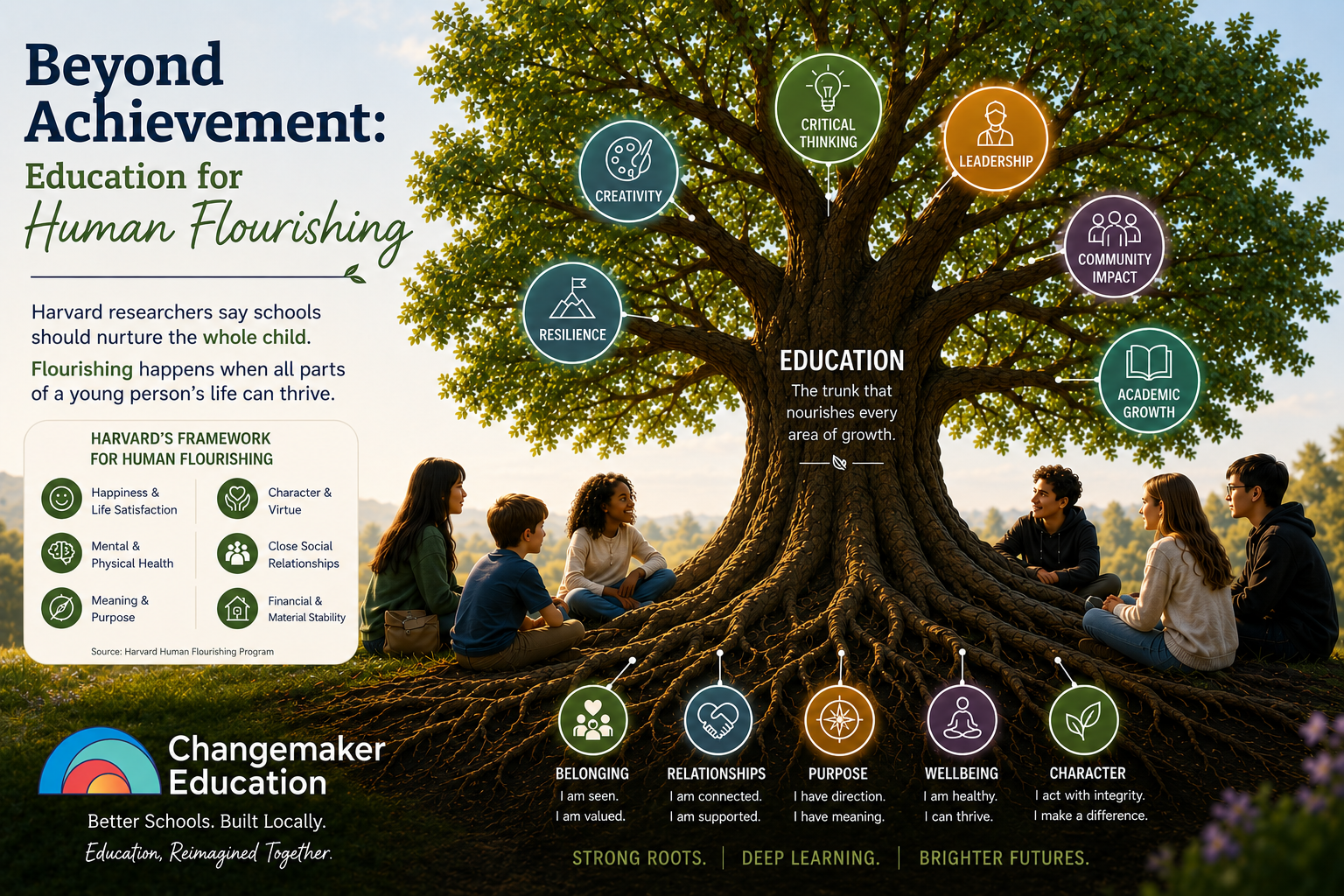
Building learning environments that support the whole person
Changemaker Education’s Mind-Body-Soul approach includes emotional intelligence, nervous system regulation, leadership development, and purpose.
We see these practices as part of a thoughtful learning environment, alongside strong academics and appropriate individualized support. They give students opportunities to understand themselves, build relationships, and practice responding to challenges.
The special education teacher shortage invites all of us to take educators’ working conditions seriously. Their expertise deserves the time, resources, and trust needed to serve students well.
Are you an educator exploring a learning environment you could help build?


Join the Education Revolution
Be part of a transformative movement that empowers learners and reshapes education for the better.
