How Microschools Are Redefining Learning for the Whole Child
Microschools aren’t smaller schools—they’re intentional learning communities that nurture curiosity, wellbeing, and real-world skill development for every child
%20(7).png)
Microschools are often described as “small by design” but what matters more is that they are “intentional by design.”
Strip away the buzzwords, and microschools exist to solve the simple problem that traditional schools were built for efficiency and scale, but not for how children actually learn.
Microschools Aren’t a Tweaked Version of School. They’re a Different Model Altogether.
Most schools say they support the whole child. In practice, that support often shows up as add-ons. A wellness program here. A mindfulness block there. A social-emotional lesson layered onto a system that otherwise stays the same.
Microschools start somewhere else.
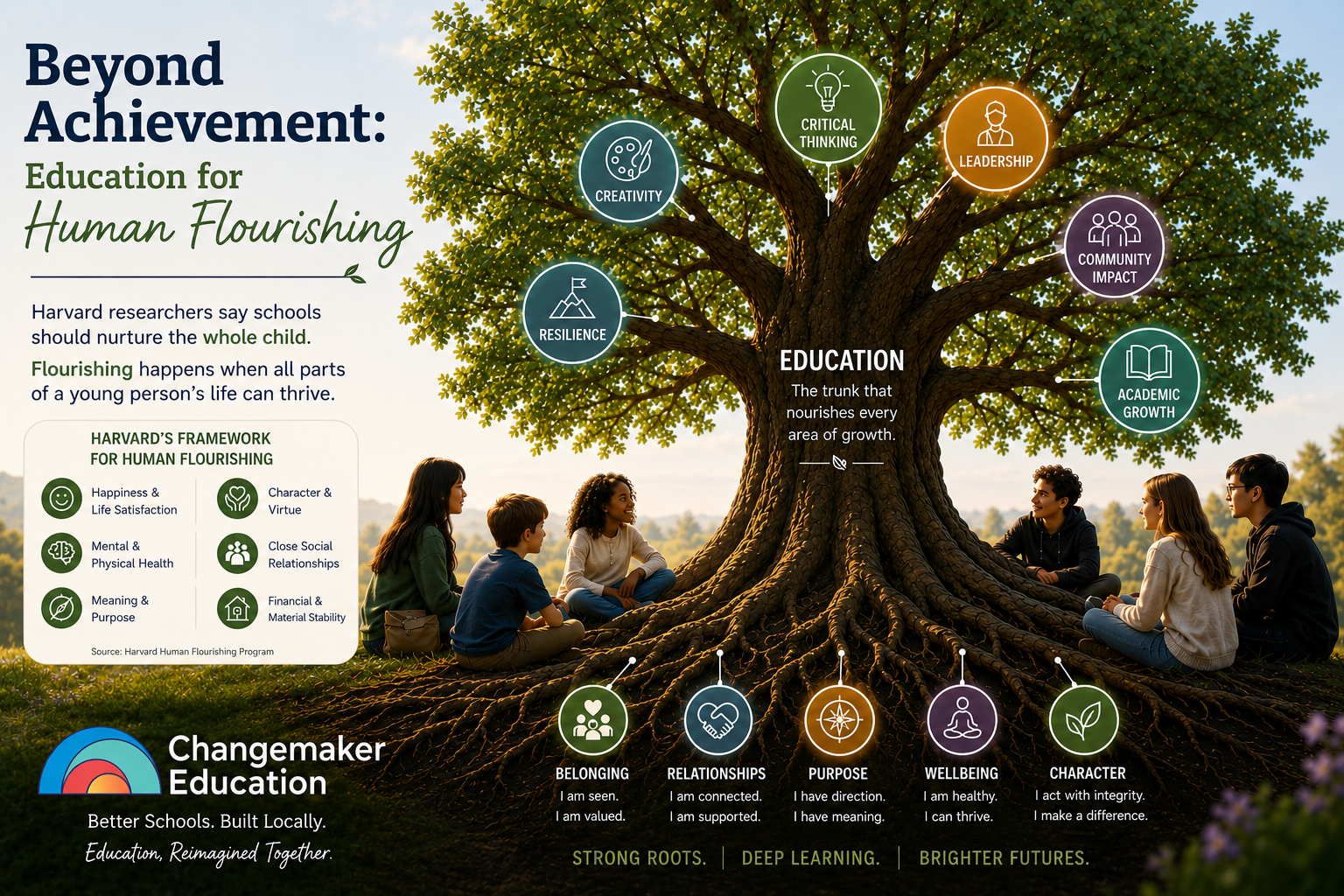
They design learning, wellbeing, and identity together, from the beginning.
All this to say, microschools aren’t spinoffs of the traditional school environment. They operate on completely different models altogether.
Here’s how:
Curiosity replaces compliance. Students explore interests and solve real problems rather than complete prescribed tasks. Learning adapts to the learner, not the other way around, with pace, pathway, and depth shaped by readiness and interest.
Mind, body, and emotional growth are treated as connected. Academic work is not isolated from wellbeing, joy, or self-awareness. Learning feels human because it is designed that way.
Adults shift roles as well. Teachers are mentors and partners who coach, listen, and learn alongside students, guiding inquiry instead of delivering answers.
Curriculum is not fixed or test-driven. Learning is experiential and inquiry-based, built around meaningful, real-world challenges that invite investigation, reflection, and revision.
Competition gives way to collaboration. Belonging matters. Students grow within a community where contribution is valued more than comparison.
The goal is no longer preparation for the next test. It is preparation for life, defined by confidence, resilience, adaptability, and the ability to contribute meaningfully.
That shift is what makes microschools different. Not just smaller “classrooms.” Different assumptions.
“It is time to shift the operating system of education from the factory model to a learner-centered one. Microschools are showing us what is possible, while also disrupting the status quo by putting the kids, families, educators, and communities at the center.” - David K Richards - Founder & CEO, Changemaker Education.
What Learning in a Microschool Actually Looks Like
Putting the above into practice, in a microschool, learning usually starts with a question. Not a worksheet. Not a standard. A real question a student is curious about.
That question drives what happens next.
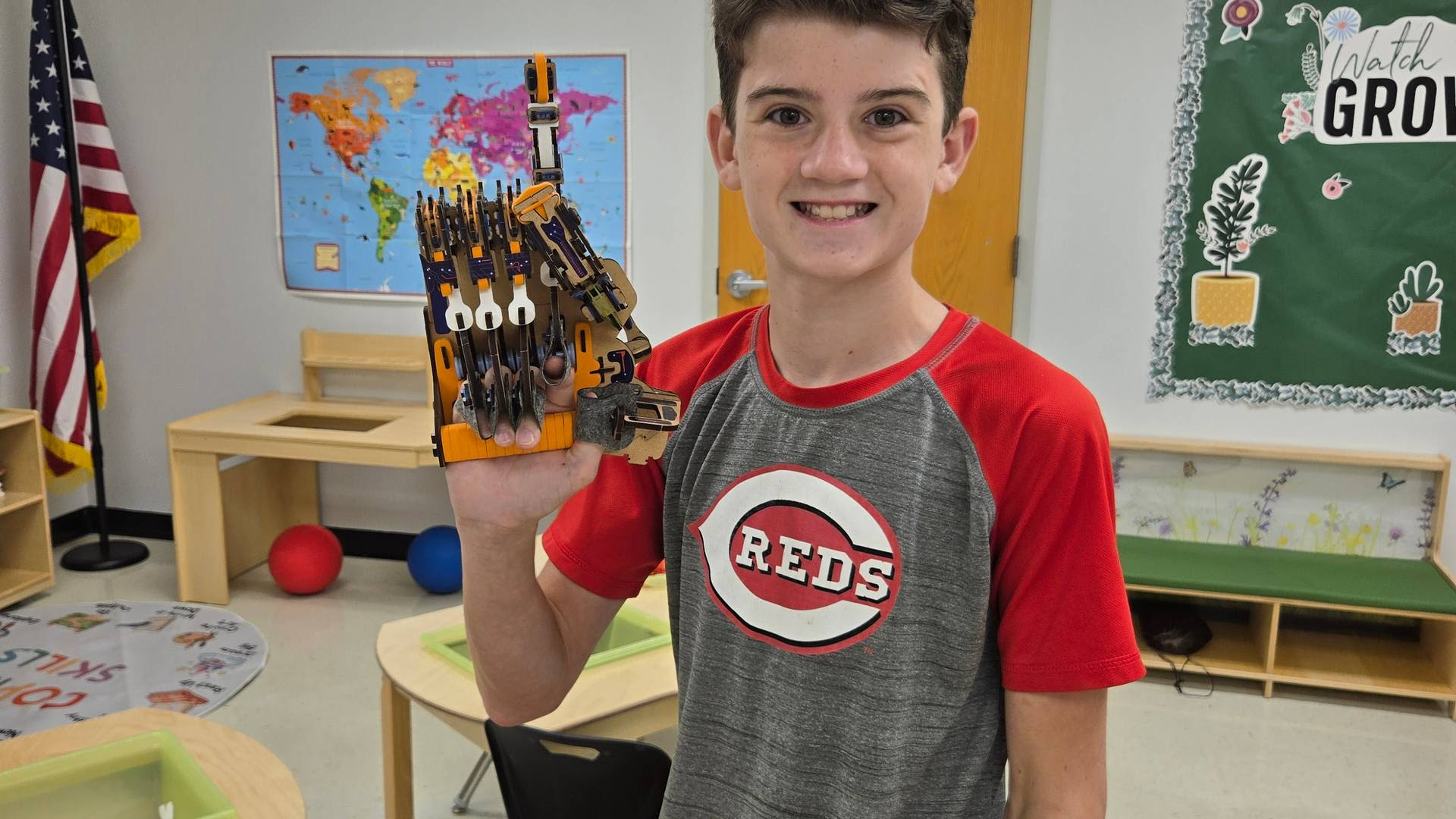
The student investigates it, tests ideas, revises their thinking, and shares what they learn. The work looks different from learner to learner and that’s by design. Progress is measured through understanding, reflection, and growth rather than speed or comparison.
Instead of providing answers, teachers support the process. They coach, ask better questions, and help students make sense of what they’re discovering. Learning feels active because students are doing the thinking.
This approach is one of the reasons microschools are gaining momentum.
Microschools respond by doing less at scale and more with intention. Smaller environments make it possible to know students well, personalize learning, and connect academic work to who students are and what they care about.
You can usually tell quickly when a school is operating this way.
- Students can explain what they’re working on and why it matters
- Learning looks different across the room.
- Reflection is treated as part of learning, not an add-on.
- Teachers talk about coaching rather than covering content.
- The community feels connected instead of competitive.
Every school says it prepares students for the future. But how?
- Are students trusted to explore?
- Are they encouraged to reflect?
- Are they learning how to think rather than what to memorize?
That difference is why microschools exist.
%20(9).png)

Join the Education Revolution
Be part of a transformative movement that empowers learners and reshapes education for the better.
